
Why the Gregorian Calendar Keeps You Disconnected
(And What to Follow Instead)
We’ve been taught that time is linear — divided into months, deadlines, and tidy squares on a Gregorian grid. It’s the system most of us are born into, and we rarely question it. But what if this calendar, so deeply woven into our lives, was designed less to help us thrive and more to keep us disconnected from something essential: the Earth, the moon, and ourselves?
Before the Gregorian calendar, humans lived in partnership with time — not under its pressure. Let’s explore what we lost, what we can reclaim, and how aligning with cosmic rhythms might just change the way we live, create, and heal.
Time Before the Boxes: The Rhythm of the Moon
For thousands of years, ancient cultures like the Apache, Maya, Hebrews, and Chinese followed moon cycles — not machine-made months. Time was relational, not compartmentalized. People lived in harmony with:
-
Seasonal shifts
The phases of the moon
-
The rising and setting of the sun
Time was something they felt rather than something they chased. It flowed through planting cycles, ceremonies, and the rhythms of the body.
The Egyptians watched the heliacal rising of Sirius to predict the Nile’s flood. The Celts observed cross-quarter days, marking balance between light and dark. Babylonian farmers planted by lunar light. Their calendars weren’t arbitrary — they were an extension of the living world.
Then everything changed.
The Gregorian Calendar: A System Built on Control
Pope Gregory XIII introduced the Gregorian calendar to “fix” Easter and bring time into stricter alignment with Christian liturgical cycles. It gave us the 12 months we live by today — and it also came with a new mindset:
Time was no longer relational.
It was regulated.
Linear time marched forward, no matter the season. We learned to match its pace, not nature’s. In many ways, this system colonized time itself.
But the universe doesn’t live in straight lines. It spirals — in tides, solar flares, moon phases, and even your cells. Your body still remembers the old rhythms. That’s why burnout often feels like your system rebelling against a timeline it didn’t agree to.
What We Learn from Lunar Living
Many cultures still follow moon-synced calendars. The Islamic calendar marks every new month with the first crescent. Chinese and Hebrew traditions blend lunar and solar energy. The Maya’s Tzolk’in links time to human development and cosmic cycles.
These calendars don’t simply tell when we are — they tell us who we are in relationship to nature.
This week, something special happens:
On November 5, the Apache New Year begins under the Otter Full Moon — a cycle of curiosity, renewal, and emotional flexibility.
It is a reminder that the year doesn’t have to begin with pressure, resolutions, or hustle. It can begin with spaciousness, play, and alignment with nature’s pace.
Try This: Live by the Moon for One Month
Here’s a simple invitation:
-
Track the phases of the moon for 30 days
-
Notice how your sleep, energy, and emotions change
-
Rise with the sun when you can, or use a sunrise lamp
-
Journal how your body responds
This practice isn’t about abandoning your life — it’s about noticing the life that’s already happening beyond the clock.
Time Is a Relationship, Not a Race
When we return to cyclic living, we remember that:
-
Rest is not wasted time
-
Creativity moves in waves
-
The feminine is not passive — it’s rhythmic
-
Your body is not failing — it’s following an ancient clock
The Gregorian calendar may organize society, but it often comes at the cost of synchrony. Lunar time invites us back into the flow. It reminds us we are not behind. We are not late. We’re in rhythm with a world that never hurries and is never lost.
As the Otter Full Moon ushers in the Apache New Year, may you feel permission to begin again — not by force, but through renewal, play, and self-connection.
Because time was never meant to be conquered.
It was meant to be co-created with.
Browse more posts from Amanda's blog
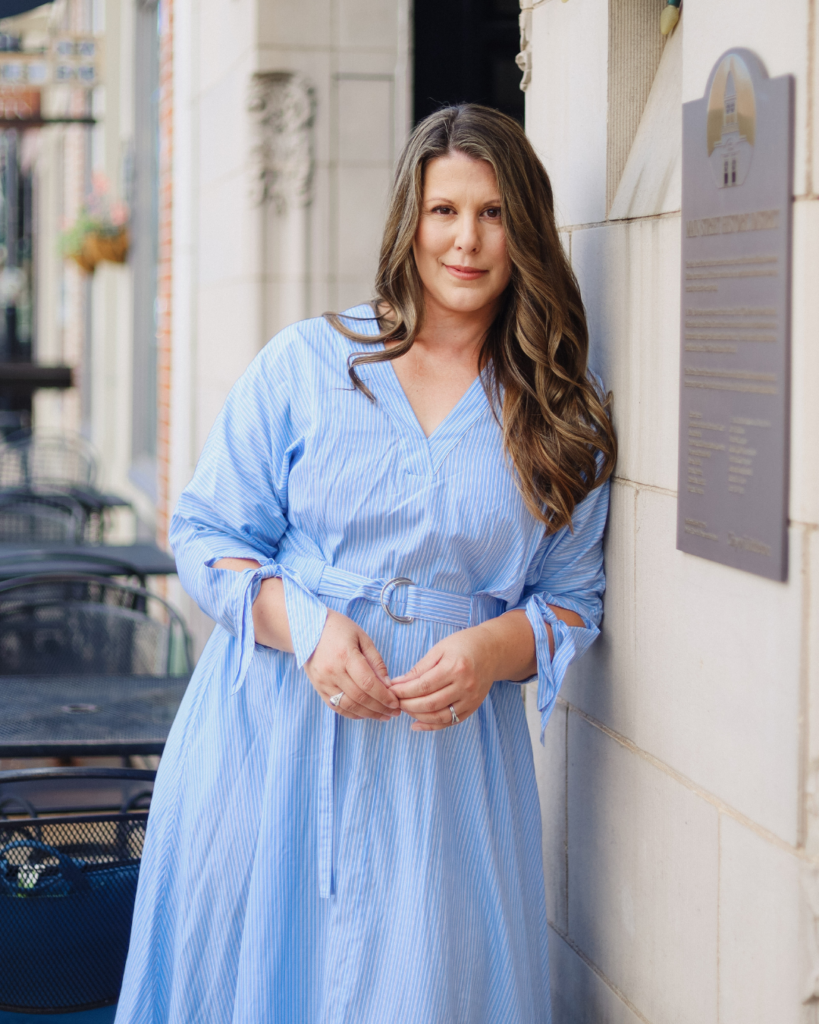
About Amanda
Former engineer on several NASA projects turned medical intuitive. I work with female college athletes with gut pain that is taking her out of her sport. Along with the unpredictable pain, she’s struggling with depression and her grades are starting to slip. I can scan her body to see what’s wrong, clarify it for her, map the path forward, and land her back in her best condition, back in her happy life, back in the game.