
What the Winter Solstice is Trying to Tell You
The winter solstice is trying to tell you something—and many people miss it without even realizing they have.
If you’ve been feeling more exhausted than usual, emotionally tender, inward, or stretched thin by the pace of the season, there’s a reason. For sensitive bodies, this time of year doesn’t just register as “busy holidays” or “shorter days.” It lands deeper. It’s felt in the nervous system, in sleep patterns, in emotional honesty, and in intuition that suddenly feels louder than usual.
This isn’t a personal failing or a lack of resilience. It’s biology, attunement, and ancient rhythm working exactly as designed.
I’ve spent years studying what happens in sensitive systems during seasonal and cosmic shifts—where science grows quiet and the body keeps speaking. Across history, physiology, and lived experience, the pattern is consistent: sensitive bodies don’t break during darkness. They respond to it.
And the winter solstice is one of the clearest moments of that response.
Why Sensitive Bodies Feel the Solstice More Deeply
Sensitive bodies operate with lower thresholds. They notice subtle changes others overlook—shifts in light, emotion, energy, and atmosphere—often before the mind has language for them. This heightened awareness isn’t weakness. It’s attunement.
Between December 19th and December 22nd, several measurable changes occur in the body:
Melatonin rises, signaling the body to rest and repair. Cortisol naturally dips, creating what I often call the “exhale of the year.” When we override this signal with caffeine, pressure, and constant stimulation, exhaustion intensifies rather than resolves.
At the same time, intuition heightens. The limbic system becomes more active in the darkness, increasing reflection, creativity, emotional truth, and vivid dreaming. Even people who rarely remember dreams often notice them surfacing now.
Perhaps most importantly, the nervous system becomes honest. Anything that’s been suppressed or postponed tends to rise—not to overwhelm you, but to complete. Sensitive bodies feel this amplification clearly. That clarity is not a flaw. It’s guidance.
The Oldest Holy Day Humanity Has Ever Known
The winter solstice is the oldest and most globally honored holy day in human history—long before modern holidays, long before formal calendars, and long before science attempted to separate the sacred from the measurable.
Across cultures that never interacted, the same conclusion emerged: this night matters.
Ancient Egyptians marked the rebirth of Horus. Romans celebrated Saturnalia. Norse cultures honored Yule. Persia observed Yalda. China recognized Dongzhi. Indigenous cultures across the Americas held long-night ceremonies. The shared message was unmistakable: darkness reaches its peak, and then light begins its return.
Why such universal recognition? Because every living system—plants, animals, humans—is regulated by light. Even without instruments, the sky told people this moment was different. And so did their bodies.
Modern science can measure the earth’s tilt, the timing, the hormonal shifts, and circadian changes. What it doesn’t fully measure is how this convergence affects the psyche and the soul together. Sensitive bodies bridge that gap instinctively.
Darkness Is Not the Enemy
Across every solstice tradition, one truth repeats itself: darkness is not something to fear or fix. It is where the next version of you is forming.
Historically, people didn’t move through this night alone. They gathered. They kept fires lit. They sang, prayed, feasted, and witnessed one another. Transformation wasn’t meant to happen in isolation.
The solstice is a reminder that your most inward moments are not a step backward. They are the beginning of your return to light.
A Simple Solstice Ritual for Sensitive Bodies
If your system feels full or tender right now, this gentle somatic ritual can help you reset and realign.
Find darkness. If possible, step outside and turn off artificial lights around you. If weather or safety makes that impractical, turn off the lights indoors. Sit with the dark for two minutes and allow your body to register it.
Get quiet. Let whatever wants to surface do so without analysis or judgment.
Speak this aloud:
“Light returns to me now.”
Place one hand on your belly and one on your heart. Feel the shift.
Ask for a sign. If you’re outside, ask the earth. If you’re inside, ask whatever guidance you trust. Stay present until you sense a response—physical, emotional, or intuitive.
Turn the lights back on and write down the answer to this question:
What part of me is ready to come back into the light?
This doesn’t need to be elaborate. It needs to be honest.
Trust What Your Body Already Knows
If this season has made you feel more introspective, emotional, or sensitive than usual, you’re not imagining it. You’re responding to the same rhythms ancient cultures structured their lives around.
Sensitive bodies don’t need to be corrected at the solstice. They need permission to listen.
Honor the dark. Welcome the light. And trust your body—it knows exactly what it’s doing.
If you want support moving through the coming season with clarity and attunement, the next Immersion Mentorship cohort begins January 9th. You can explore details at bodywhisperhealing.com/services.
Until then, let this be enough.
Browse more posts from Amanda's blog
About Amanda
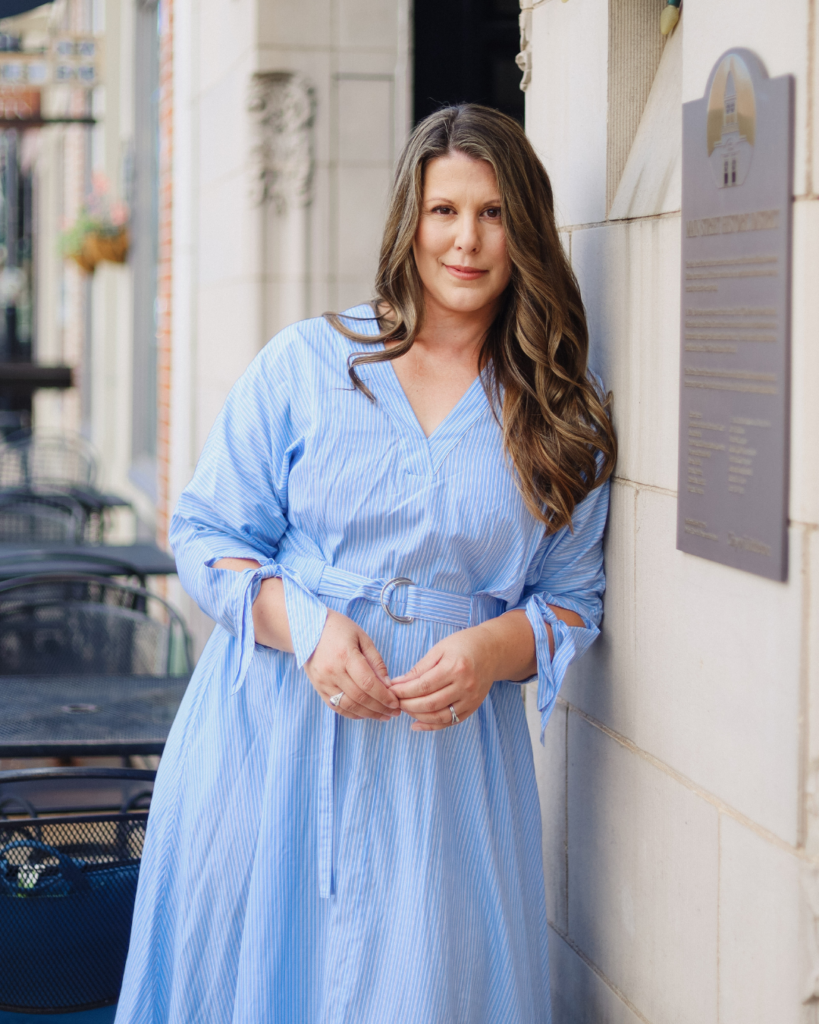
Former engineer on several NASA projects turned medical intuitive. I work with female college athletes with gut pain that is taking her out of her sport. Along with the unpredictable pain, she’s struggling with depression and her grades are starting to slip. I can scan her body to see what’s wrong, clarify it for her, map the path forward, and land her back in her best condition, back in her happy life, back in the game.
Appreciation to my father who shared with me regarding this blog, this web site is truly awesome.