
Your Eclipse Hangover Isn't Random
Hi, it’s me again, still talking about the sky.
If you’ve been searching “eclipse hangover” this week, you’re not the only one. It’s a real, widely-used term for the fatigue, disrupted sleep, and low-grade anxiety a lot of people feel around an eclipse, and wellness press keeps pointing out it has no scientific basis. That pushback misses the point. Nobody needs a peer-reviewed study to know their sleep was wrecked this week.
Here’s what most of that conversation leaves out: sensitive nervous systems don’t just react to an eclipse. They anticipate it. Your body can start registering the shift up to three days before the actual event, and the after-effects can keep moving through you for days past it. This Wednesday’s total solar eclipse in Leo means the window isn’t one bad day, it can run from this weekend through the better part of next week. Two weeks after that, August 27-28, a partial lunar eclipse moves through Pisces and the whole pattern starts again.
If the last several days have felt different, sharper, more “get it done” restless instead of the foggy, unmoored feeling that usually gets blamed on eclipses, that’s worth paying attention to instead of explaining away.
This Isn’t a Horoscope
Most of what’s out there on this eclipse pair is sign-by-sign horoscope content: what it means for your Leo moon, your Pisces rising. That’s not wrong, exactly, it’s just not useful if what you actually want to know is why your chest feels tight and your patience is gone. Here’s the woo, and here’s the science underneath it, aimed at your body instead of your birth chart.
What’s Actually Happening in Your Body
Solar activity and geomagnetic shifts have a measurable effect on the autonomic nervous system, the part of you running heart rate, digestion, and stress response without your conscious input. Research on geomagnetic activity has linked it to shifts in cortisol and melatonin, the two hormones most responsible for how alert or unsettled you feel. Highly sensitive nervous systems, the kind most of you reading this have, process sensory input at a lower threshold to begin with. That’s not a flaw. It’s a documented trait called sensory processing sensitivity, and it means a week like this doesn’t have to hit you any harder than it hits someone else to feel like more. It’s already landing on a system tuned to notice more.
Then there’s vagal tone, which is really just a measure of how quickly your body can return to baseline after something activates it. A well-regulated vagus nerve doesn’t mean you don’t feel a week like this one. It means you come back down from it faster. That’s the whole aim of everything in this post: not avoiding the activation, but building the conditions that let your body return to steady ground without doing it alone.
Sensitive systems do not malfunction. They respond accurately. If you’ve felt tight in the chest this week, or noticed your patience running thinner than usual, or caught yourself wanting to make a decision just to feel like you’re moving, that’s your nervous system doing exactly what a well-functioning sensitive system does under this kind of load: picking up more, faster, and asking for a way to discharge it.
Why February Matters Here
Some of you were with me back in February, when I wrote about the Saturn-Neptune conjunction and the eclipse that opened this year. This isn’t just a similar feeling coming back around. This eclipse pair sits on the same nodal axis as February’s solar eclipse and the lunar eclipse that followed it on March 3. Same axis, different signs, second pass.
That matters, because it means this isn’t a random gut-punch. It’s a second round of the same question your body was already asked back in February, whether you had language for it then or not.
Compression, not collapse.
That line has stuck with people because it names something real. Compression is what happens right before something reorganizes. It’s not a sign of failure. It’s a sign of pressure doing its job.
The discomfort isn’t weakness. It’s data. The question isn’t whether to trust the urgency this week is bringing up. It’s whether you can tell the difference between an impulse trying to release pressure and a decision that’s actually yours to make. That’s a hard thing to sort out alone, especially this week, when your own nervous system is the least reliable narrator it’s going to be all month.
Your Type Feels This Differently
Back in February, all four Cosmic Sensitive Types registered that eclipse in the body, just not the same way. SOLAs tend to feel solar activity more directly, the wired, charged, can’t-settle sensation. EMPAs tend to absorb the ripple around them, picking up what everyone else in the room is carrying on top of their own load. BAROs and LUNAs carry it in their own way too, through pressure and rhythm rather than charge or absorption.
That’s not a small detail. It’s the difference between one generic “eclipses are intense” post and actually knowing what your specific nervous system needs this week. If you haven’t taken the Cosmic Sensitive Quiz yet, that’s the fastest way to find out which one you are, two minutes, and it changes what “support” should even look like for you right now.
What a Container Actually Feels Like
I want to be specific here, because “find your support system” is the kind of advice that sounds true and does nothing. A container isn’t a vague sense that people care about you. It’s a place. A time. A specific thing you can point to and say, that’s where I go when it gets like this.
That place is literal this week: the Eclipse Season for Sensitive People Ceremony on Friday, August 14, a live virtual gathering two days after this Wednesday’s eclipse. It’s not a coincidence that we scheduled it there. The eclipse hits, compression peaks, and then there’s an actual room to log into, where you don’t have to explain from scratch why you feel unmoored. Everyone in it already knows.
Inside the Cosmic Sensitive Circle, we’ve also built something specific for exactly this kind of week: an Eclipse Nervous System Kit for each Cosmic Sensitive Type, waiting for you in Discord, built around what SOLA, BARO, LUNA, and EMPA nervous systems each need before, during, and after a stretch like this one. If you’re already a member, go find yours. If you’re not, the quiz is the first piece of the structure.
A Shorter Version of the Check-In
If you did the hand-on-chest, hand-on-belly practice from earlier this year, you already have a tool for this. Use it again this week if it’s needed. Place one hand on your chest, one on your belly. Notice where the pressure actually lives in your body right now. Then ask it one question: is this asking me to push forward, or asking me to pause and reorient?
Whatever the answer is, you don’t have to act on it by yourself. Not “figure it out alone, but faster.” Not “white-knuckle through the eclipse and call it resilience.” Just bring it somewhere. Let it be witnessed. Let a structure that’s already built for this hold some of the weight so it isn’t only on you.
Where to Bring This
If this week has you feeling wired, restless, or like you need to make a move you’re not sure is actually yours to make, that’s the eclipse talking as much as it’s you. Don’t decide anything big alone this week if you can help it.
The Eclipse Season for Sensitive People Ceremony on Friday, August 14 is built for exactly this moment: a live virtual group coaching call timed two days after Wednesday’s eclipse, so there’s somewhere to actually process what came up instead of carrying it around by yourself. It’s $27 to join, and free if you’re currently active in the Cosmic Sensitive Circle or a Body Whisper Healing client. If you’re already a Cosmic Sensitive Circle member, head to Discord for your Eclipse Nervous System Kit, built specifically for your type. If you’re not, the Cosmic Sensitive Quiz takes two minutes and is the fastest way to find out which kit is yours.
Stay oriented, move with what’s real, and trust your sensitive body. It knows. This week, let it be held, too.
Browse more posts from Amanda's blog
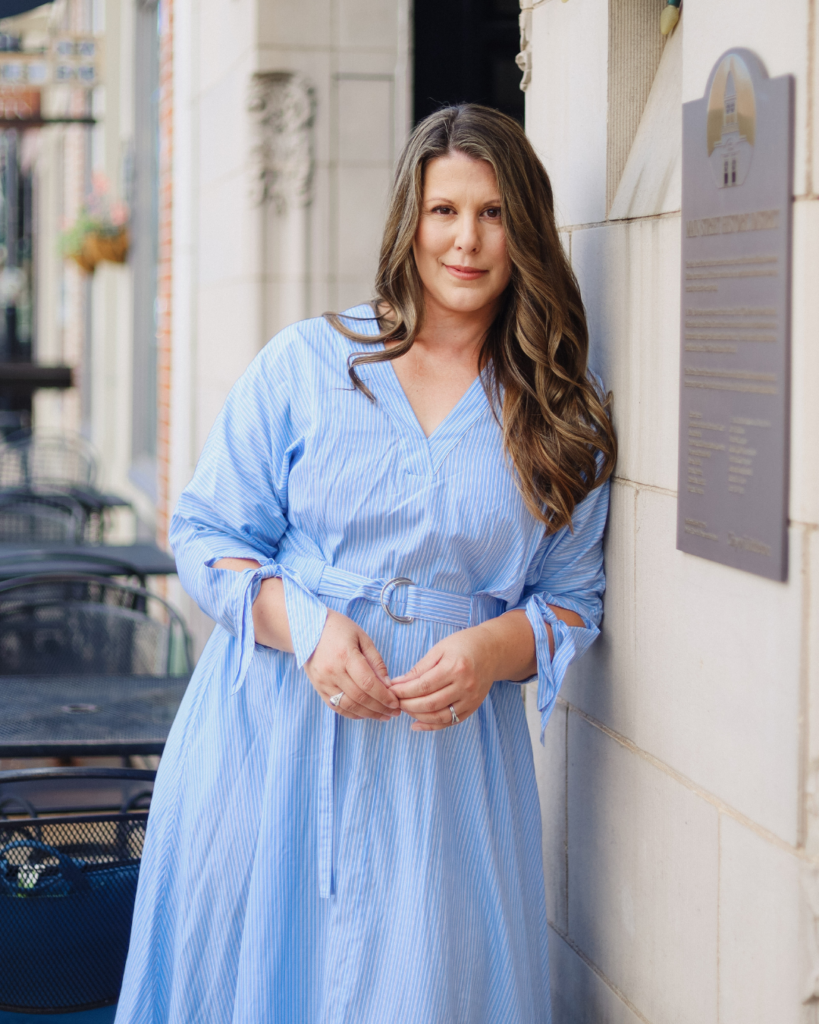
About Amanda
Former engineer on several NASA projects turned medical intuitive. I work with female college athletes with gut pain that is taking her out of her sport. Along with the unpredictable pain, she’s struggling with depression and her grades are starting to slip. I can scan her body to see what’s wrong, clarify it for her, map the path forward, and land her back in her best condition, back in her happy life, back in the game.